





Destination
Kyoto living tradition
It was the capital for over one thousand years
Kyoto was designed to be a capital city. Emperor Kanmu transferred the imperial court here in 794, and it remained until 1869. Being the capital also made Kyoto a cultural center. You can feel the length of Kyoto’s enduring influence in everything from the continually refined cultural practices to the buildings and gardens that have stood the test of time.
It has 14 UNESCO World Cultural Heritage sites
Thanks to its long history, Kyoto is a treasure trove of historical sites. There are 14 World Cultural Heritage sites within Kyoto City limits and 3 more in nearby locations. They include an elaborate castle that attests to the power of the shoguns, and historic shrines and temples that are home to countless precious works of art. Many other sites are National Treasures or Important Cultural Properties.
March – May
Spring weather in Kyoto is mild, and the cherry blossom displays make it a popular time to visit. Temperatures start to rise day by day from mid-March, and visitors can appreciate warm, sunny weather while exploring the outdoors. If you like to stretch your legs a bit, it’s a great time to go out for a hike in Kyoto!
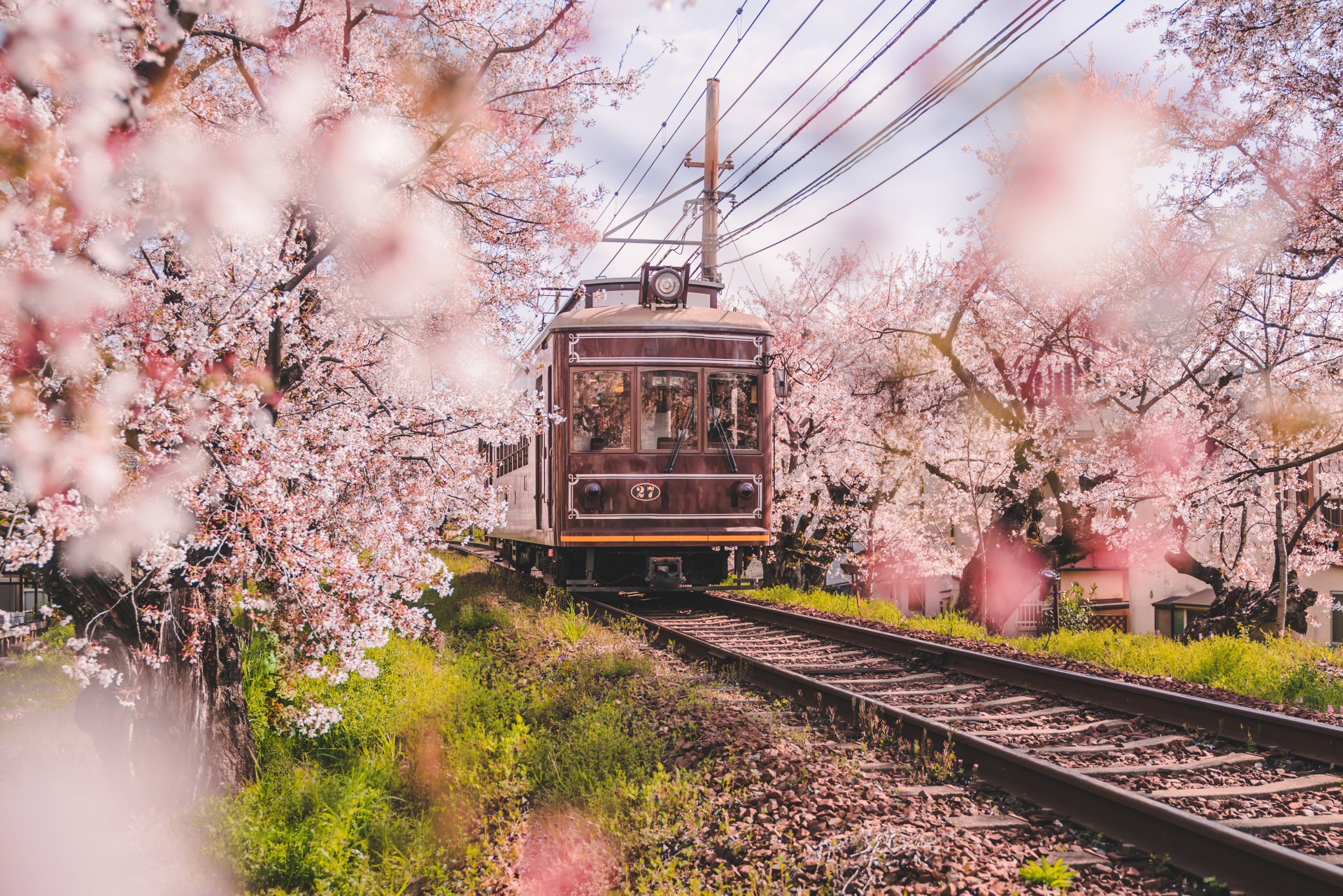
Beginning in March, the city will be colored by a variety of seasonal flowers and plants, starting with plum blossoms, and then cherry blossoms, azaleas, wisteria, and irises, all blooming in succession. The April cherry blossoms are particularly beloved by visitors and locals alike, and for the short period that they bloom, it’s common to hold picnics and parties under the trees.
Things to Do in Kyoto in Early-to-Mid March
To See
Plum Blossom Viewing
In early March, Kyoto’s plum blossoms come into full bloom. For the best views, visit Kitano Tenmangu, located near Kinkaku-ji. The shrine is surrounded by over a thousand plum trees that provide a stunning contrast to its red shrine buildings. Enjoy the seasonal blossoms with a warm cup of matcha.
Early Cherry Blossoms (Hanami)
March marks the beginning of the cherry blossom season in Kyoto. Scenic spots like Seimei Shrine and the Yodo Suijiro (Yodo River) area are home to the early-blooming Kawazu Sakura. These blossoms, typically appearing from mid-February to early March, are the first to bloom and signal the start of the sakura season in Kyoto.
To Experience
Tea Ceremony Experience
Kyoto is known for its rich tea culture. Immerse yourself in an authentic experience by participating in a traditional tea ceremony at one of the city’s many tea houses. It’s a chance to appreciate the art of tea preparation and the calming atmosphere of Kyoto’s historic tea culture.
To Visit
Arashiyama Bamboo Grove
Explore the serene Arashiyama Bamboo Forest, where towering bamboo stalks create a picturesque scene. Don’t miss nearby Tenryu-ji Temple and the scenic Togetsukyo Bridge.
Fushimi Inari Taisha
Visit the iconic Fushimi Inari Taisha with its thousands of red torii gates leading up Mount Inari. The hike through the gates offers both spiritual and natural beauty.
Gion District
Step back in time in Gion, Kyoto’s famous geisha district, and wander through its traditional wooden machiya houses. You might even spot a geisha or maiko on their way to an appointment.
Kinkaku-ji (Golden Pavilion)
Visit the stunning Golden Pavilion, a Zen Buddhist temple with an iconic golden exterior surrounded by beautifully landscaped gardens.
Kyoto Imperial Palace
The Kyoto Imperial Palace was the residence of Japan’s Imperial family until the capital moved to Tokyo in the 19th century. Explore its historic buildings and expansive gardens.
Nijo Castle
A UNESCO World Heritage Site, Nijo Castle is famous for its beautiful gardens and nightingale floors, which chirp when stepped on as a security measure against intruders.
Nishiki Market
Known as Kyoto’s Kitchen, Nishiki Market is a bustling marketplace offering fresh local produce, snacks, and Kyoto specialties. It’s a great place to sample authentic Kyoto food.
Nishijin District
Visit the Nishijin District, Kyoto’s historic weaving district, known for its centuries-old tradition of Nishijin-ori (traditional silk weaving). Explore the artisan workshops and galleries showcasing the region’s rich craftsmanship.